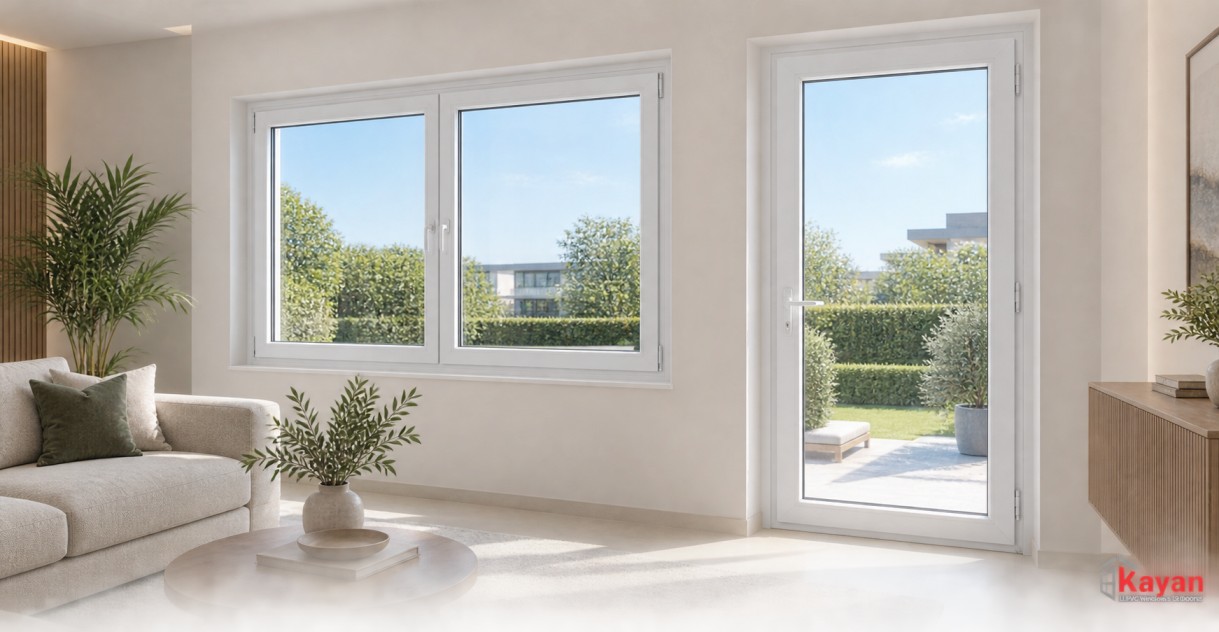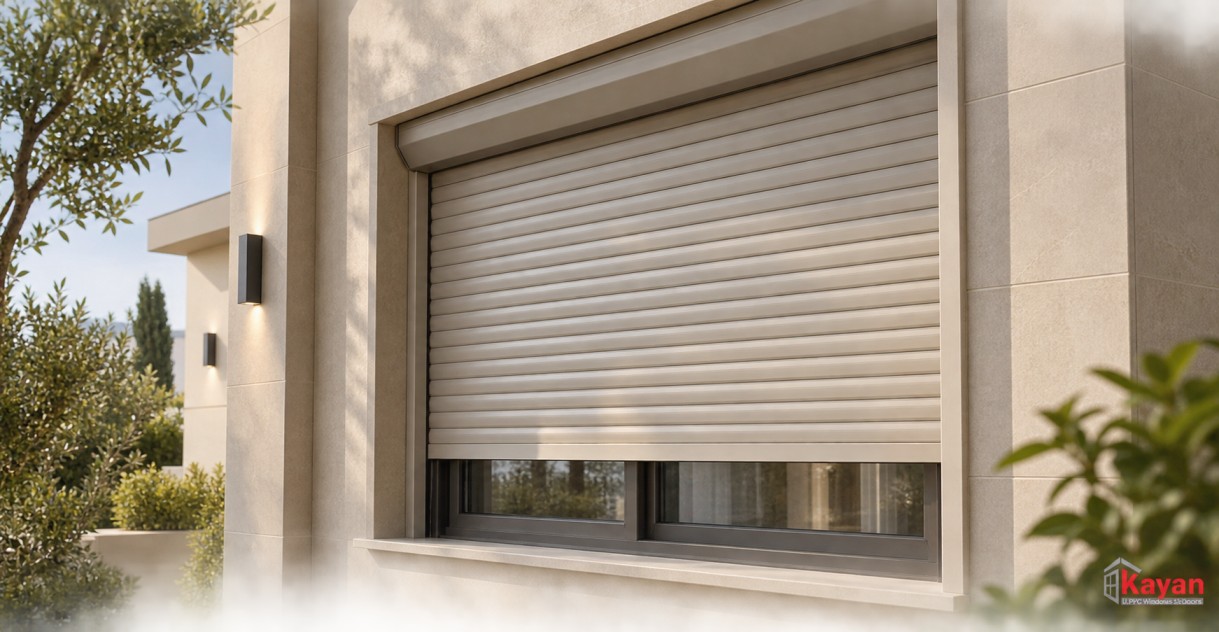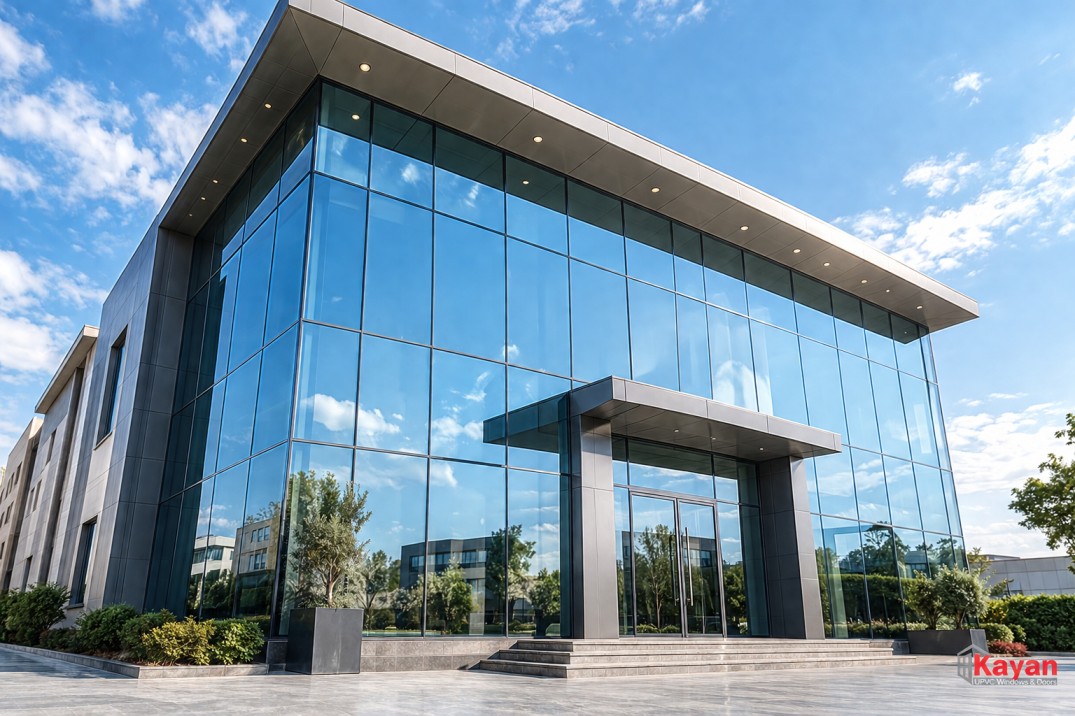
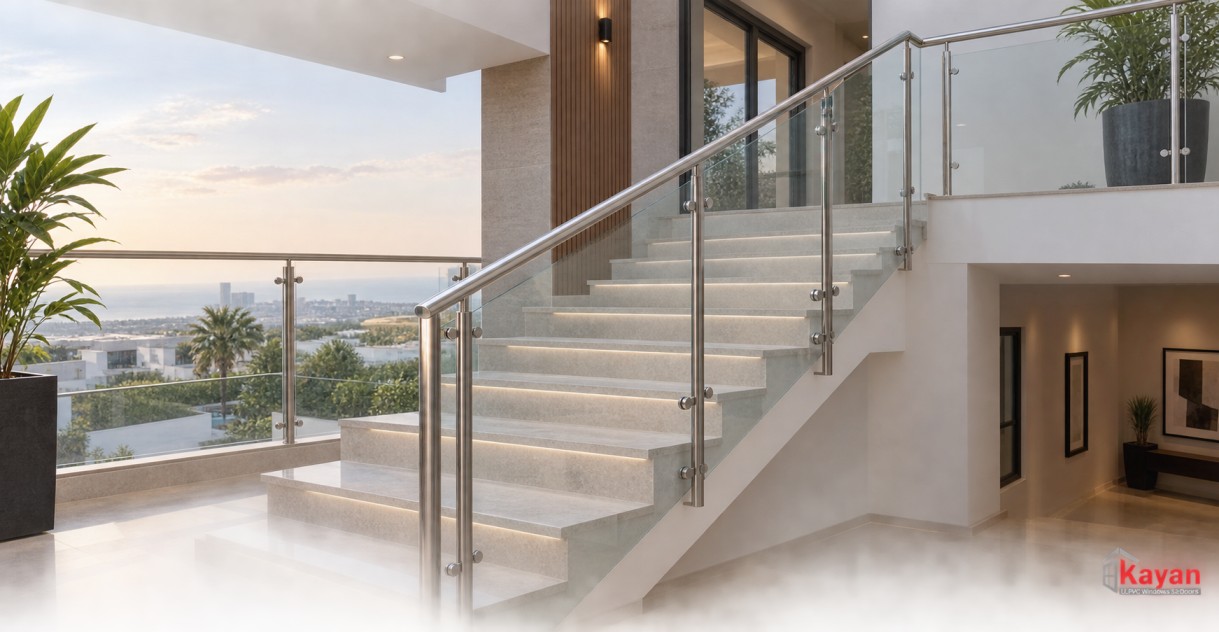
Handrails are no longer just a necessary safety feature on staircases to prevent falls — they've become an essential part of interior design in homes, offices, hotels, and commercial buildings.
With the variety of materials and designs available, you can now choose a staircase handrail that combines safety with aesthetic appeal, matching the nature of the space and the design style used within it.
But how do you choose the right staircase railing? What's the difference between handrails made of aluminum, stainless steel, or glass? And what factors should be considered before installation?
In this article, we cover the key points that will help you choose the right handrail system for your space.
What Is a Handrail?
A handrail, or staircase railing, is the part installed alongside stairs to help users go up and down safely, providing a point of support and stability while using the stairs.
In addition to its core safety function, the handrail has become an important element in staircase design and interior decor, especially with the emergence of modern designs based on aluminum, stainless steel, glass, and other materials.
Why Is the Handrail an Essential Element of a Staircase?
Having a suitable railing isn't just about appearance — it's directly tied to the safety of staircase users.
A handrail provides a support point while moving and helps reduce the risk of losing balance, which is especially important in homes with children or elderly residents.
At the same time, the handrail's design can be chosen to blend with the shape of the staircase and the rest of the decor elements, making it part of the design rather than just a functional addition.
How to Choose the Right Handrail for Your Space
Choosing a handrail doesn't depend on appearance alone — it should combine a number of factors, the most important of which are:
1. The Nature of the Space
Start by identifying where the handrail will be installed.
The needs of a home differ from those of a hotel, hospital, office, or commercial building, and the requirements for indoor staircases differ from outdoor applications.
Therefore, the material and design should be chosen based on the nature of use and the number of people using the stairs daily.
2. Required Level of Safety
The staircase railing must provide firm and strong support during use.
This is why it's important to focus on material quality and the installation method, and to ensure the work is carried out by technicians experienced in handrail installation.
3. Interior Design
A handrail can add a clear aesthetic touch to a space, so it's best to choose a design that matches the overall decor.
Simple designs may suit modern spaces, while more detailed designs can be chosen for spaces with a classic or ornamental style.
4. Choosing the Right Material
Material is one of the most important decisions when choosing a handrail, as it affects appearance, durability, maintenance, and usage.
Some of the most common materials used in railings include:
- Aluminum.
- Stainless steel.
- Glass.
- Wood.
- A combination of more than one material, such as glass and stainless steel.
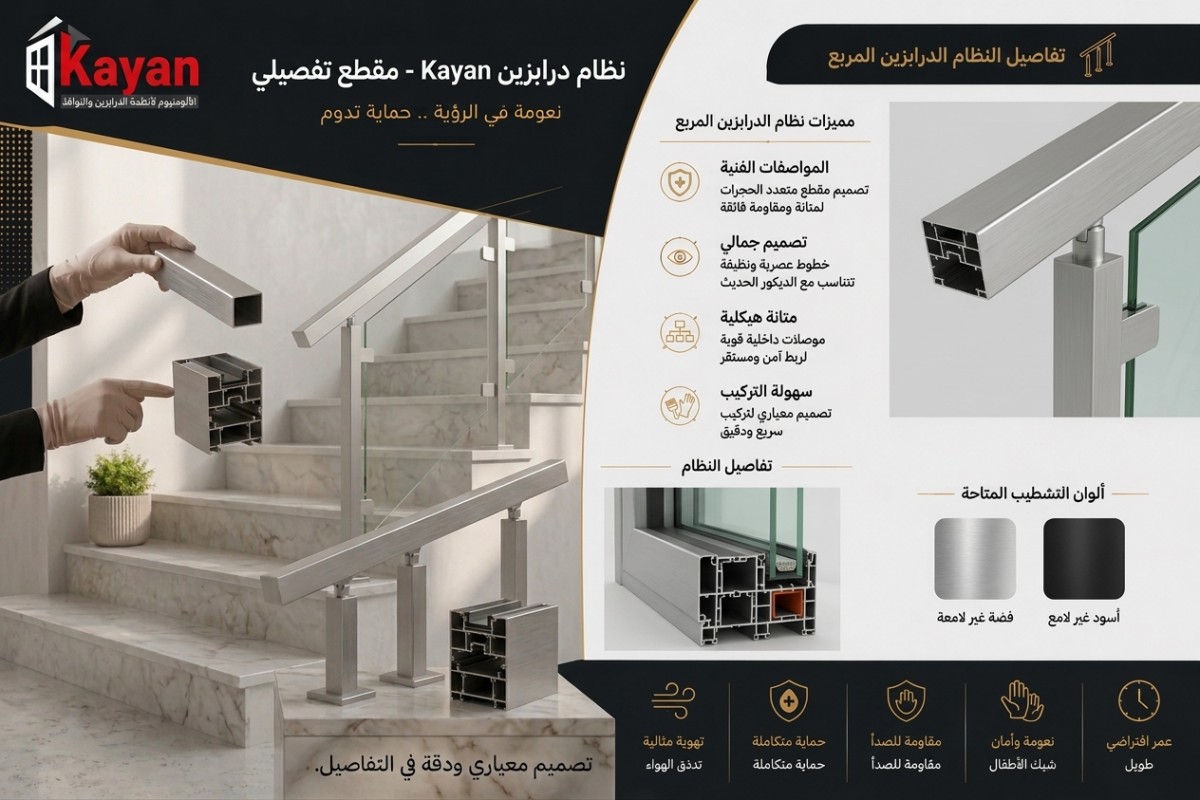
Aluminum Handrails
Aluminum handrails stand out for being lightweight compared to many other metals, as well as their natural resistance to rust and corrosion.
Another advantage is ease of shaping, allowing for a variety of designs suited to modern spaces.
Aluminum can be used in a range of indoor and outdoor applications, with specifications chosen to match the nature of the project.
Key Advantages of Aluminum Handrails:
- Lightweight.
- Resistant to rust and corrosion.
- Easy to clean.
- Can be shaped into a variety of designs.
- Suitable for modern designs.
Stainless Steel Handrails
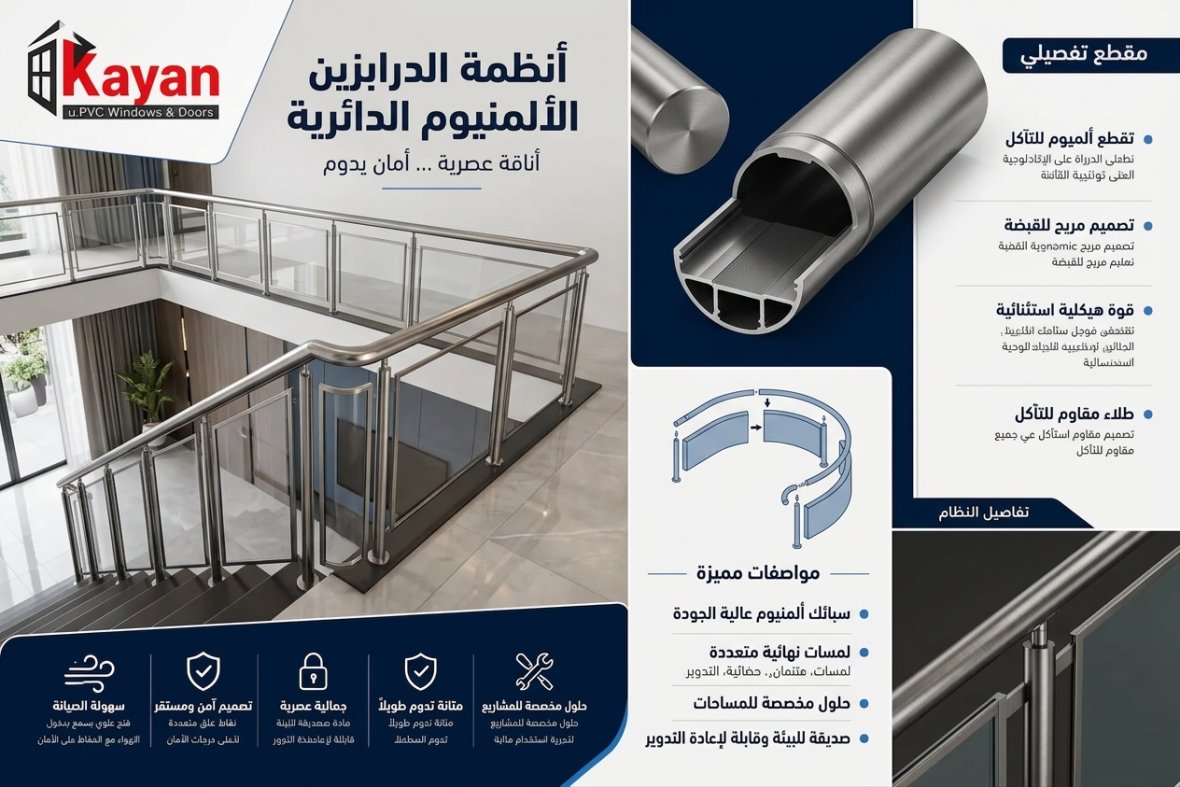
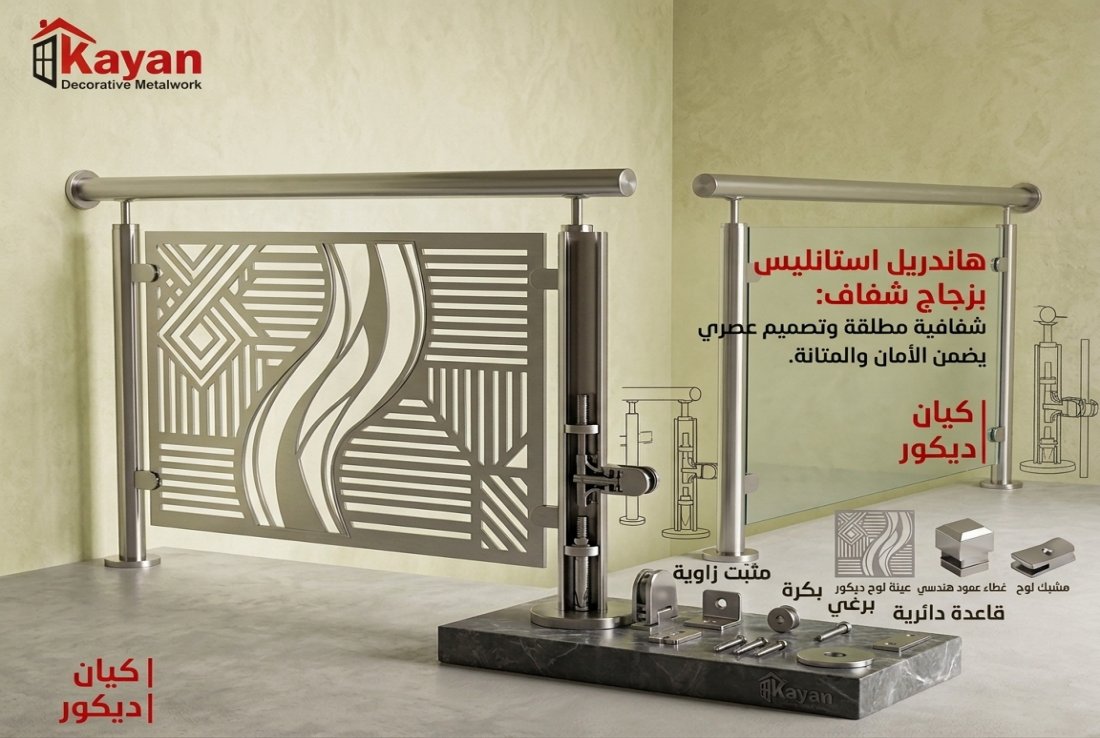
Stainless steel handrails are a popular choice in homes, offices, and commercial buildings, especially when the goal is to combine durability with a modern look.
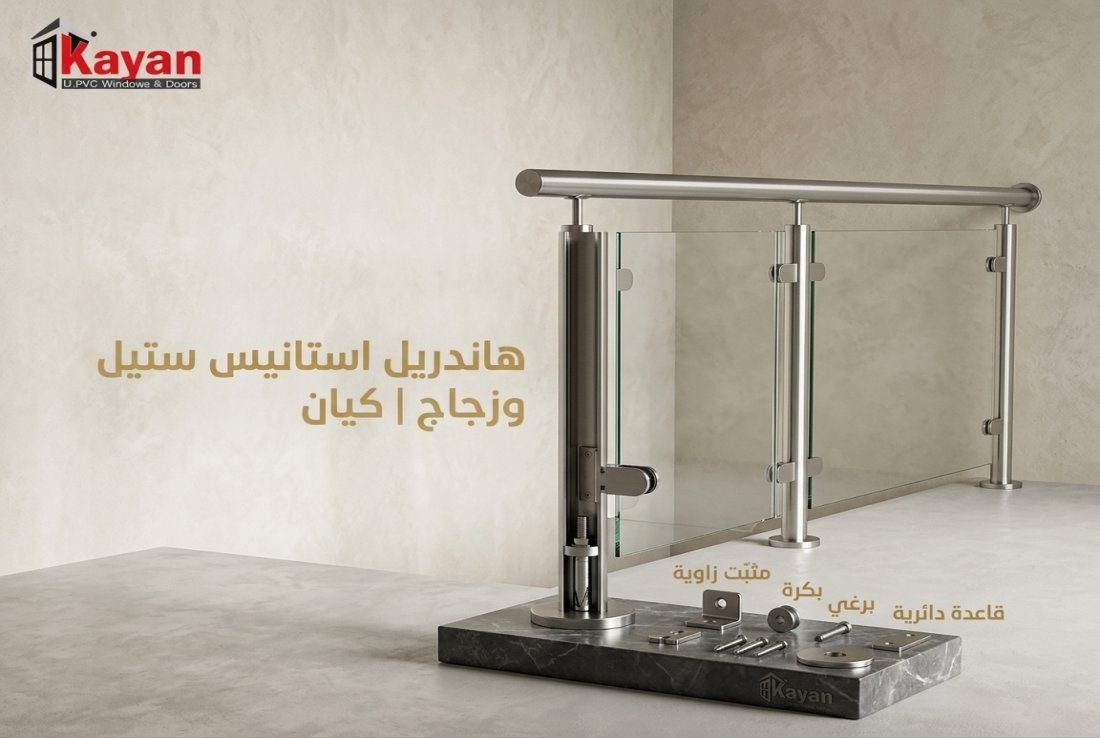
They're easy to clean and resistant to rust, and can be combined with other materials like glass for a contemporary design.
Advantages of Stainless Steel Handrails:
- Strength and durability.
- Rust resistance.
- Ease of cleaning.
- Modern appearance.
- Can be combined with glass or wood.
- Suitable for indoor and outdoor use, depending on the right specifications.
Glass Handrails
Glass handrails give a staircase a modern look and help maintain a sense of open space, especially in places with contemporary designs.
Clear glass or other available options can be used depending on the desired design.
Glass can also be combined with stainless steel or aluminum to achieve a design that blends transparency, durability, and a modern appearance.
Handrails That Combine More Than One Material
Combining more than one material in a single system is a popular design choice.
For example, glass can be combined with stainless steel for a modern railing, or aluminum can be used with other elements depending on the design's nature.
Combining materials allows for greater room for creativity, making it possible to achieve a design that matches the space's identity.
Modern Handrail or Traditional Design?
The choice depends on the nature of the decor.
If the space relies on simple lines and calm colors, a modern handrail may be suitable for maintaining design unity.
If the decor relies on details and ornamentation, a more detailed design that matches the overall style of the space can be chosen instead.
Most importantly, the handrail shouldn't be separate from the rest of the design elements, but rather a cohesive part of the staircase, flooring, walls, and furniture.
Can Handrails Be Used in Commercial Spaces?
Yes, handrail use isn't limited to homes.
They're also used in:
- Offices and companies.
- Hotels.
- Hospitals and clinics.
- Commercial buildings.
- Industrial facilities.
- Residential projects.
- Public spaces.
In these cases, the material and design should be chosen based on the nature of use, foot traffic density, and the space's requirements.
Why Does Installation Quality Matter?
Even the best types of handrails need precise installation to make the most of their features.
The installation process includes accurate measurement, choosing the right fixing points, and ensuring the system is stable after installation.
That's why choosing the installation company is just as important as choosing the material itself.
How to Maintain a Handrail After Installation
Care methods vary depending on the material used, but in general, regular maintenance and cleaning help preserve the handrail's outward appearance.
It's best to use cleaning products suitable for the material and avoid anything that could damage the surface.
Any issue that appears in the fixtures, movement, or connections should also be addressed quickly to maintain the required level of safety.
A Handrail Suited to Every Space, with Kian
Kian Engineering Works offers a variety of solutions in the field of handrails and staircase railings, with multiple options in materials and designs.
Kian's team can help you choose the right solution based on the nature of the space, the required design, and the level of safety you need.
Whether you're looking for an aluminum handrail, a stainless steel handrail, or a glass handrail, choosing the right system starts with understanding the space's needs and studying the design before installation.
Conclusion
Choosing the right handrail is a process that combines safety, quality, and design.
The right material, a cohesive design, precise measurements, and quality installation are all factors that affect the final result.
So before choosing a staircase railing, first identify your needs, then choose the material and design that suits the nature of the space, your budget, and the visual identity of the area.
If you're looking to design and install a handrail suited to your project, contact Kian Engineering Works for the right consultation and to choose a solution that combines safety with aesthetic appeal.
Frequently Asked Questions
What's the best material for a handrail?
There's no single material suitable for every use — the choice depends on the nature of the space, the design, and the level of use. Common materials include aluminum, stainless steel, and glass.
Is a glass handrail safe?
Glass systems can be used in staircase railings, and the level of safety depends on the type of glass, the specifications used, and the installation method.
Can an aluminum handrail be installed indoors?
Yes, aluminum can be used for indoor handrails, especially in modern designs that call for a lightweight, corrosion-resistant material.
Can glass be combined with stainless steel?
Yes, combining glass with stainless steel is a design used in modern spaces, giving the staircase a contemporary look.
What's the most important thing to consider when choosing a handrail?
Safety, material quality, measurement accuracy, and the installation method should all be considered, along with how well the design fits the nature of the space and decor.